
EWI vs IWI vs CWI: A Technical Comparison
A practical explanation of how different insulation methods interact with solid‑wall and cavity‑wall homes
Homes across Northampton and Northamptonshire include a mix of solid brick, stone, early blockwork and later cavity‑wall construction. Because each wall type behaves differently, external wall insulation (EWI), internal wall insulation (IWI) and cavity wall insulation (CWI) deliver different outcomes in terms of heat flow, moisture behaviour and long‑term stability.
This comparison explains how each method works, where it is typically suitable, and what homeowners usually notice in practice.
1. What each method actually does
External Wall Insulation (EWI)
Insulation is applied to the outside of the building, forming a continuous thermal layer around the masonry.
This keeps the wall warm, stabilises moisture behaviour and reduces heat loss through the structure.
Internal Wall Insulation (IWI)
Insulation is applied to the inside of external walls.
The internal surface becomes warmer, but the masonry behind the insulation remains cold and behaves more like an external element.
Cavity Wall Insulation (CWI)
Insulation is injected into the cavity between two masonry leaves.
It reduces air movement within the cavity and slows heat transfer across the wall.
CWI is only suitable where a true cavity exists and where the cavity is in appropriate condition.
2. How each method affects heat flow
EWI
moves the thermal gradient outward
keeps the masonry warm
reduces heat loss significantly
creates more stable internal temperatures
IWI
keeps the masonry cold
improves internal surface temperature
increases sensitivity to thermal bridges at floors, ceilings and reveals
requires careful detailing to avoid cold spots
CWI
reduces heat transfer across the cavity
performance depends on cavity width, exposure and condition
not applicable to solid walls
3. How each method affects moisture behaviour
EWI
stabilises drying by keeping the wall warmer
reduces moisture retention
lowers freeze–thaw stress
shifts the dew point outward
supports predictable moisture movement
More detail is in our guide to moisture behaviour in solid‑wall construction.
IWI
slows drying because the wall stays cold
moisture remains in the masonry longer
dew point can move into the structure
requires careful vapour control and junction design
Because the structural wall remains colder when insulated internally, its ability to dry outward is reduced. In solid masonry construction, long‑term durability is closely linked to the wall’s drying potential, so any reduction in outward drying needs careful consideration.
IWI is not inherently “wrong”, but it behaves differently and requires significantly tighter design control.
CWI
works well in clean, unobstructed cavities
can be problematic in cavities with debris, bridging or high exposure
not suitable for solid masonry
4. A note on older cavity‑wall homes
Many older cavity‑wall properties across Northamptonshire were built with early cavity designs that were never intended to act as insulation spaces.
In these homes, the cavity often served primarily as a drainage channel, allowing moisture to move downwards and exit through weep paths rather than functioning as a sealed air pocket.
Because of this:
filling the cavity can significantly change how the wall manages moisture
debris, mortar snots and partial bridging are common in older construction
uneven cavity widths affect both thermal performance and moisture behaviour
exposure levels (especially wind‑driven rain) become more critical once the cavity is filled
Although CWI is often marketed as a simple, low‑disruption upgrade, older cavity walls require proper inspection and engineering assessment to confirm whether the cavity is suitable and how the wall will behave once filled.
5. Installation complexity and disruption
EWI
external work
minimal disruption inside
requires scaffolding
allows full façade renewal (render or brick‑slip)
IWI
internal work
reduces room size
requires moving radiators, sockets and skirting
more disruption to daily use
CWI
least disruptive
drilled from outside
quick installation
only suitable for cavity walls in appropriate condition
6. Suitability by wall type
EWI
Suitable for solid brick, stone, blockwork and many cavity walls.
IWI
Possible on most wall types, but requires more careful design on solid masonry.
CWI
Only suitable for cavity walls.
Not applicable to solid brick, stone or blockwork.
Older cavity walls require additional assessment.
More detail on wall types is in our guide to which walls can use external wall insulation.
7. Typical outcomes homeowners notice
EWI
more stable room temperatures
fewer cold surfaces
reduced heating demand
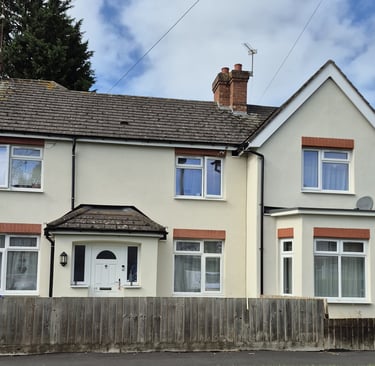
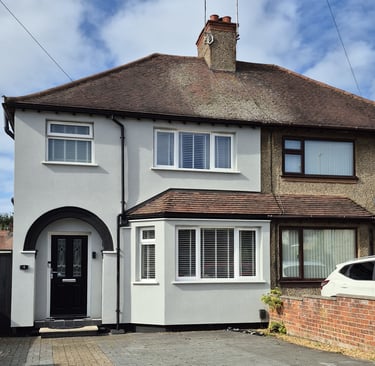
refreshed external appearance
IWI
warmer internal surfaces
improved comfort
reduced room size
more sensitive to detailing and moisture behaviour
CWI
moderate improvement in heat loss
minimal visual change
dependent on cavity condition and exposure
8. Summary — different methods for different buildings
Each insulation method can be appropriate depending on wall construction, exposure conditions and specific building constraints.
For solid‑wall masonry, approaches that keep the structural wall warmer generally provide more stable long‑term moisture behaviour.
This is why external insulation often aligns more naturally with the physics of older brick and stone construction, while internal insulation and cavity‑fill approaches require more detailed assessment and design control.
If you’re comparing insulation options
Every property is different.
The most reliable way to understand what will work is to look at the building itself — construction type, exposure, coatings and detailing all matter.
If you’d like to discuss your home, we’re always happy to take a look and talk through the options in a straightforward, practical way.




© 2025. All rights reserved.
Restoring trust in façades, one building at a time.



Contact Us